Power
The quiet empire of Lagos tailoring
by Front Row Staff
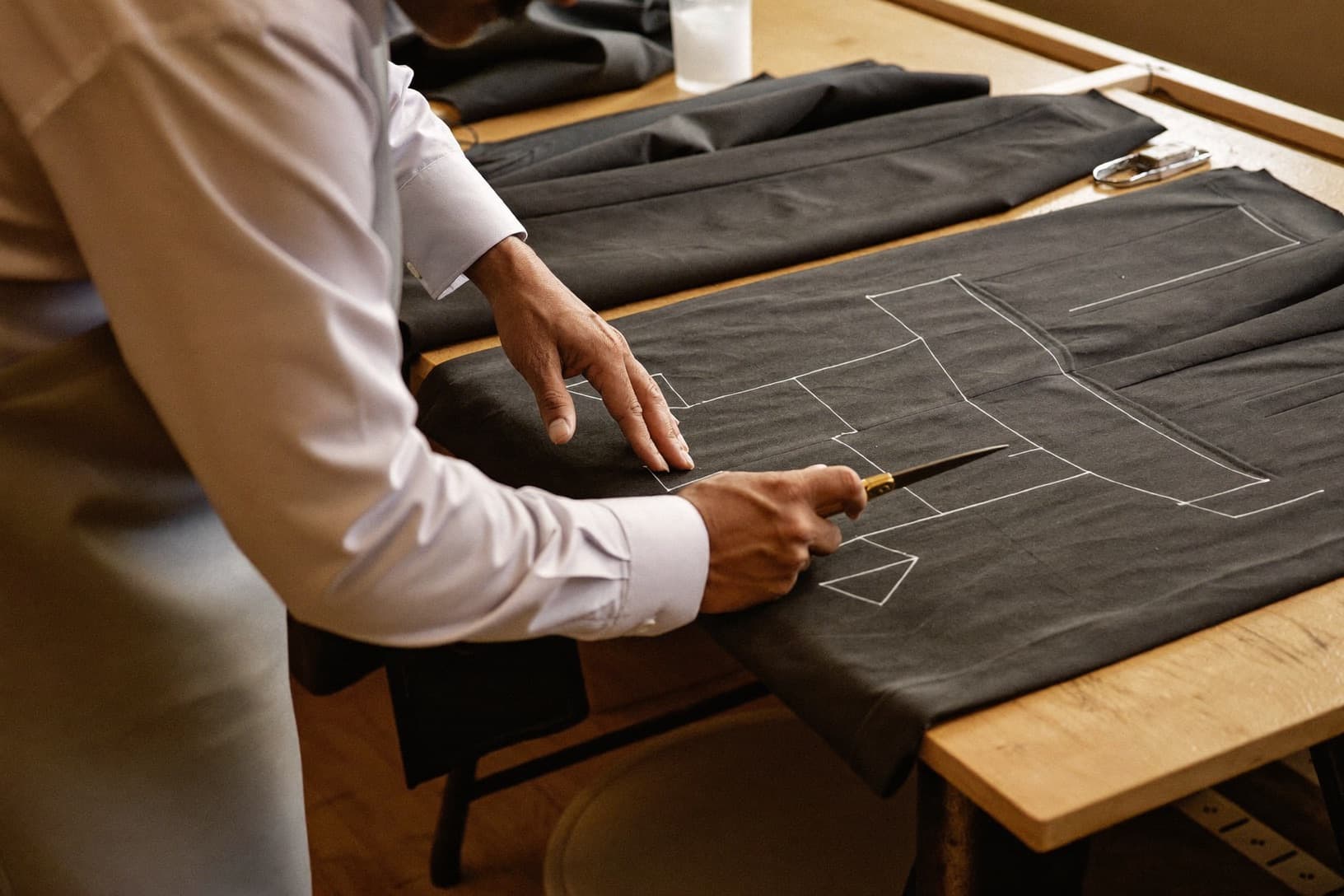
Lagos's bespoke tailoring trade turns over an estimated $260 million a year, by the most recent guild count, making it larger than the city's entire ready-to-wear retail sector and one of the least discussed parts of Nigeria's fashion economy.
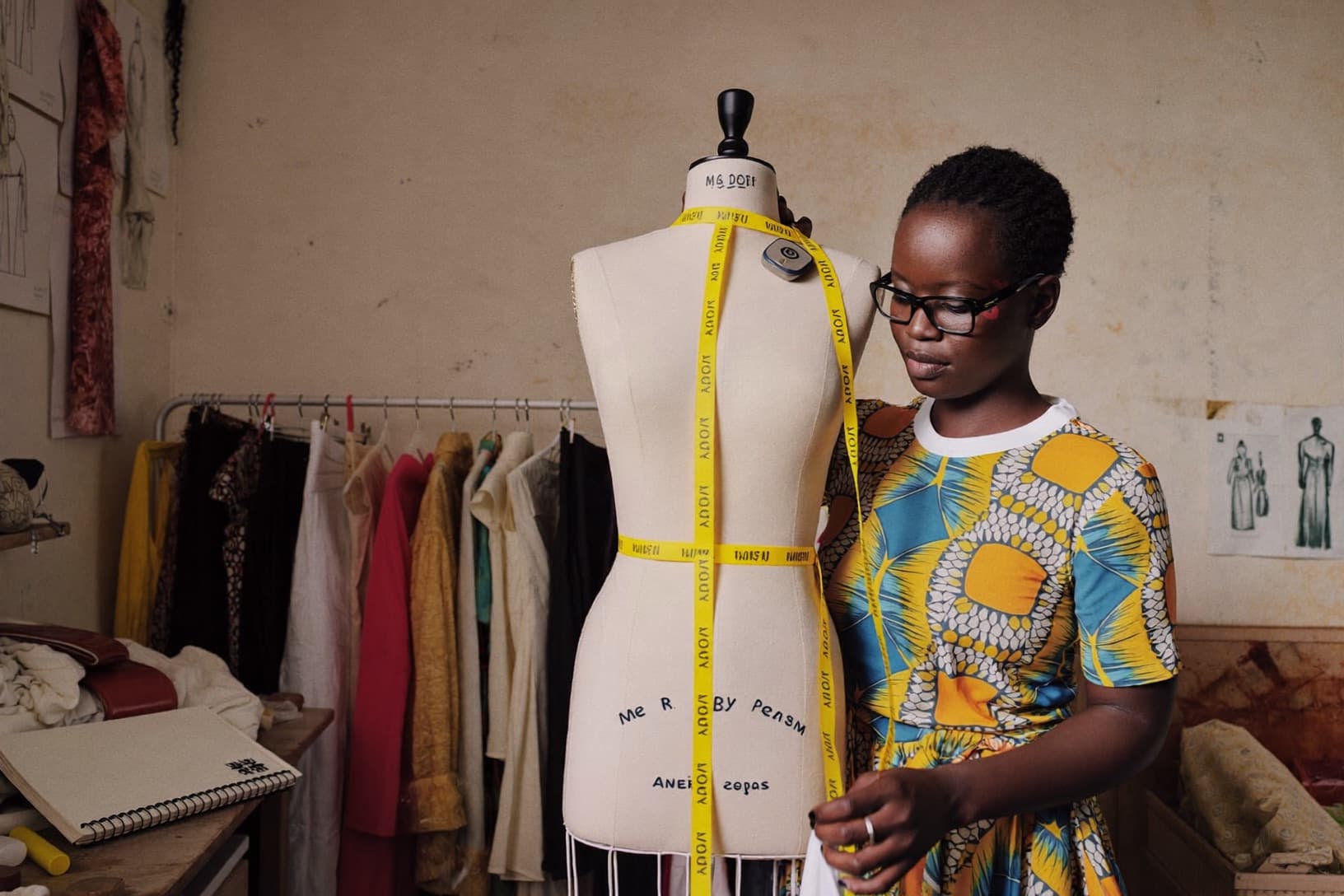
The industry is organized less like a fashion scene and more like a trade guild, because in most respects it still is one. The Nigerian Union of Tailors and Fashion Designers counts more than 4,000 registered members in Lagos State alone, concentrated in dense clusters around Yaba, Balogun Market and the workshop rows off Ojuelegba, where family-run ateliers pass client books and cutting patterns down through two and sometimes three generations. Unlike ready-to-wear labels, which rely on seasonal press and runway exposure to build a following, tailoring houses grow almost entirely through referral — a single well-connected client can fill an atelier's calendar for a year without a single show or lookbook.
"Nobody writes about us because there's no show to invite them to," said Tunde Alagbe, an assistant secretary with the tailors' union who has tracked membership dues and workshop registrations for six years. "But go to any wedding, any owambe, any bank's annual dinner, and count how many people are wearing something made by a tailor within five kilometers of where you're standing. That's the industry nobody's measuring."
That invisibility has practical costs — tailoring ateliers rarely qualify for the financing or trade support aimed at registered fashion brands, despite employing far more people. Union officials say they're now lobbying the Lagos State government to count bespoke tailoring separately in its next creative-industries survey, arguing that an accurate figure would be hard to ignore.