Business
The economics of fashion week, explained
Who pays for the tents, the models and the champagne — and who actually profits.
by Yusuf Diallo
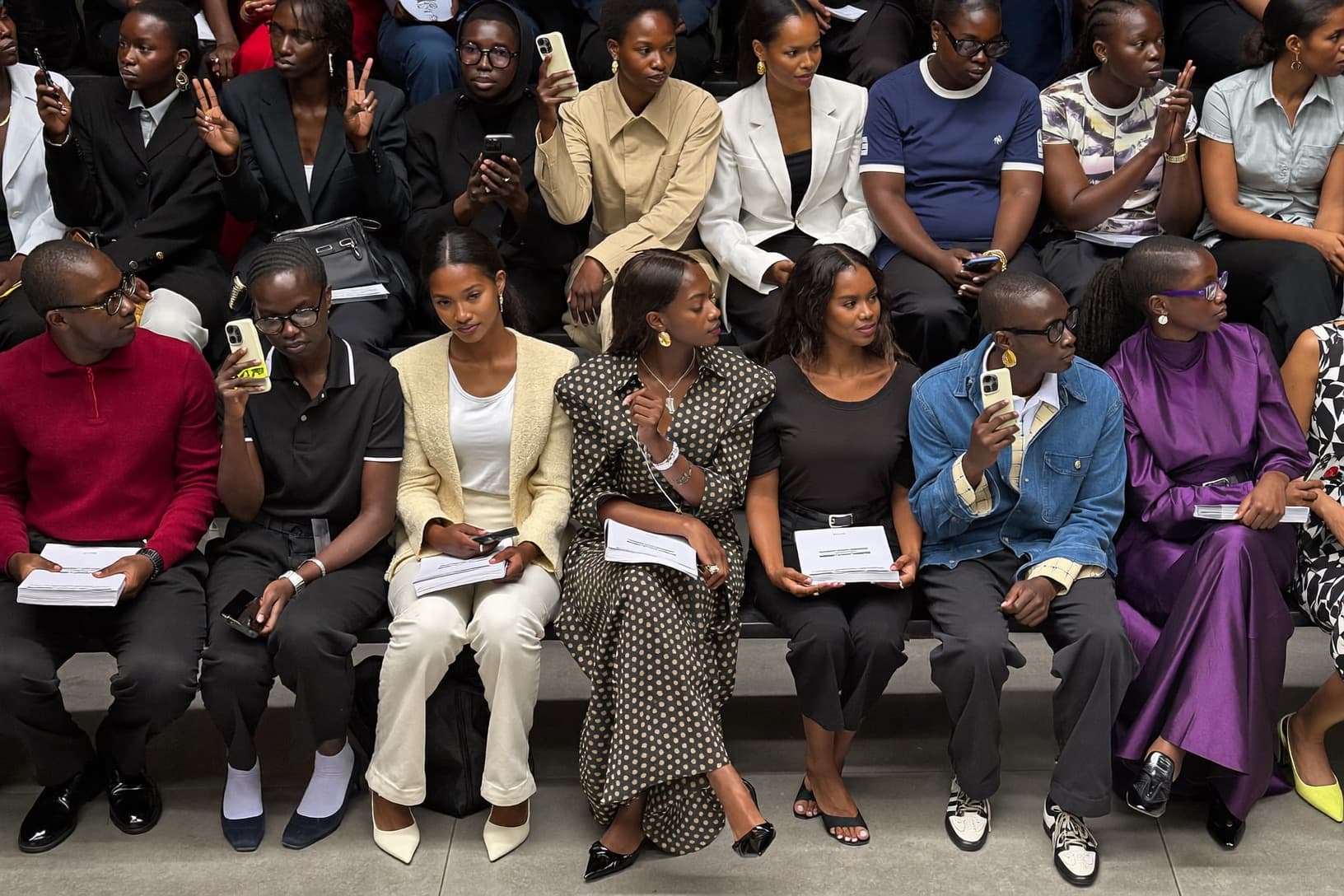
A single week of runway shows in a major African fashion capital can cost organizers upward of $500,000 to stage — and almost none of that money comes from ticket sales.
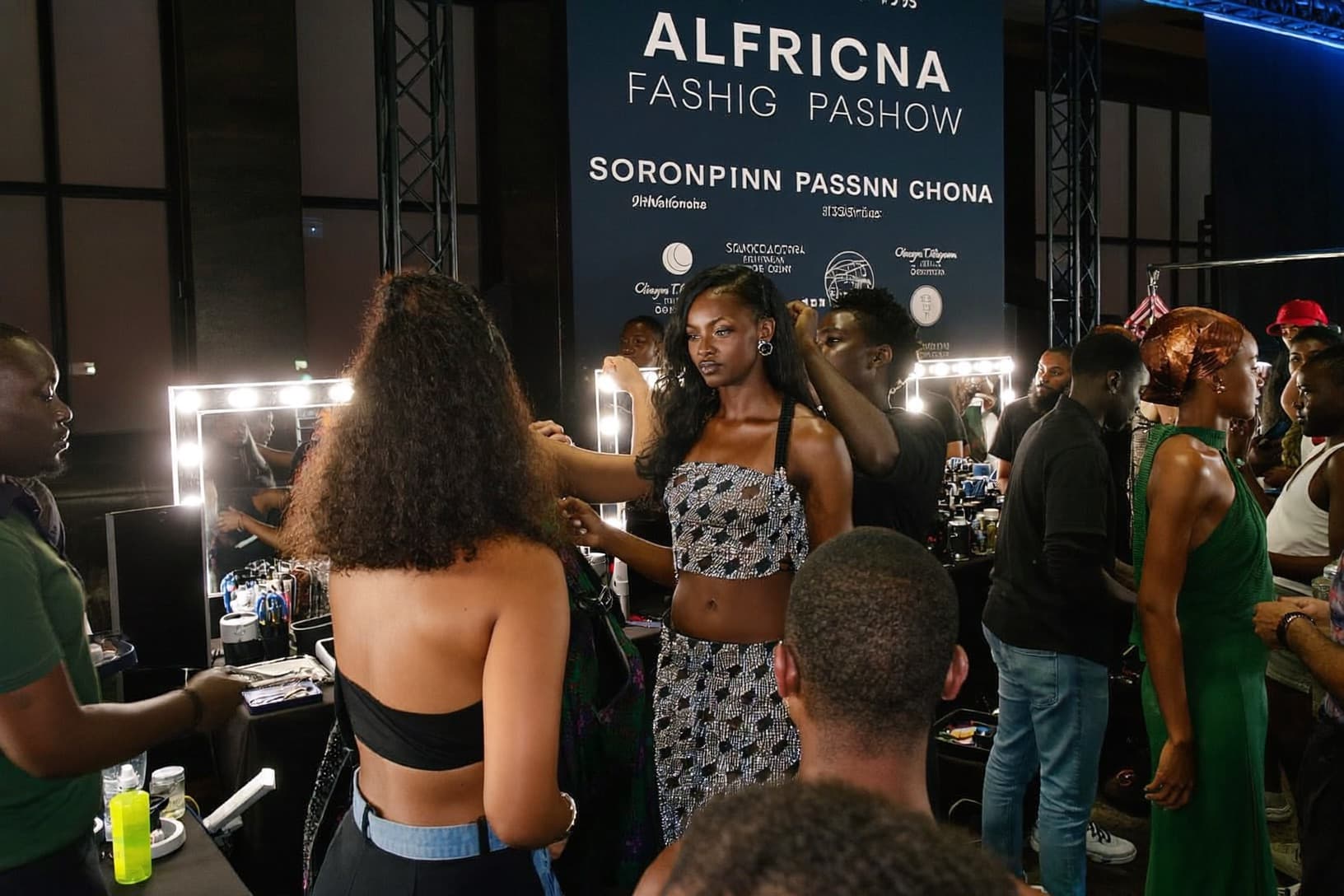
The bulk of a fashion week's budget is typically covered by a small number of corporate sponsors, usually a telecom, a bank and a beverage or beauty brand, who pay for branding rights, VIP lounges and naming credits on individual show slots. Designers, meanwhile, are usually charged a participation fee rather than paid to show — often between $2,000 and $8,000 depending on the market and the show's prestige, covering the tent, lighting, models and production staff for their slot. Ticket revenue rarely covers more than a tenth of total costs, and government tourism boards, where they contribute, tend to fund specific line items like international press travel rather than the event overall, in exchange for the visibility a fashion week brings to the host city. Model fees, hair and makeup teams and security typically make up the next largest share after the tent itself.
"People assume the designers are the ones making money that week. Most of them are losing money to be there," said one Lagos-based event producer who has organized fashion weeks in three countries and asked not to be named discussing client budgets. "The sponsors profit from the association. The venue profits. The designer is paying for exposure and hoping it turns into wholesale orders six months later. If you break even on the week itself, you've had a good year."
That gap between cost and designer return has pushed several fashion weeks to experiment with revenue-sharing models, offering reduced participation fees in exchange for a cut of any sales generated through official showroom appointments during the week. Organizers say it is too early to tell whether the model closes the gap, but it has, at minimum, made designers more willing to ask where the sponsorship money actually goes — and made a few sponsors more willing to answer.