Culture
Pattern Language
Pattern Language explores craft and culture — the weavers, dyers and beadworkers keeping heritage techniques alive.
by Front Row Staff
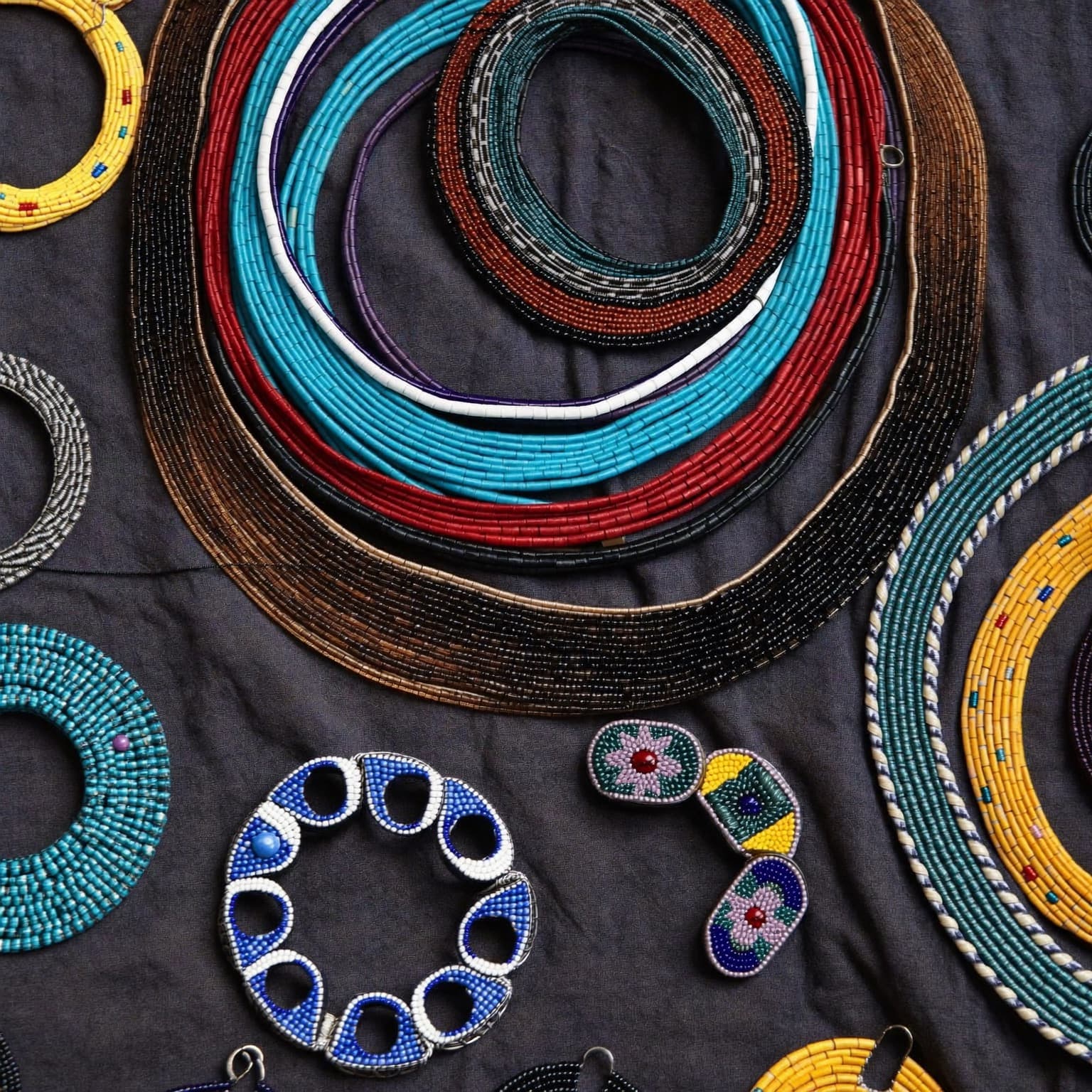
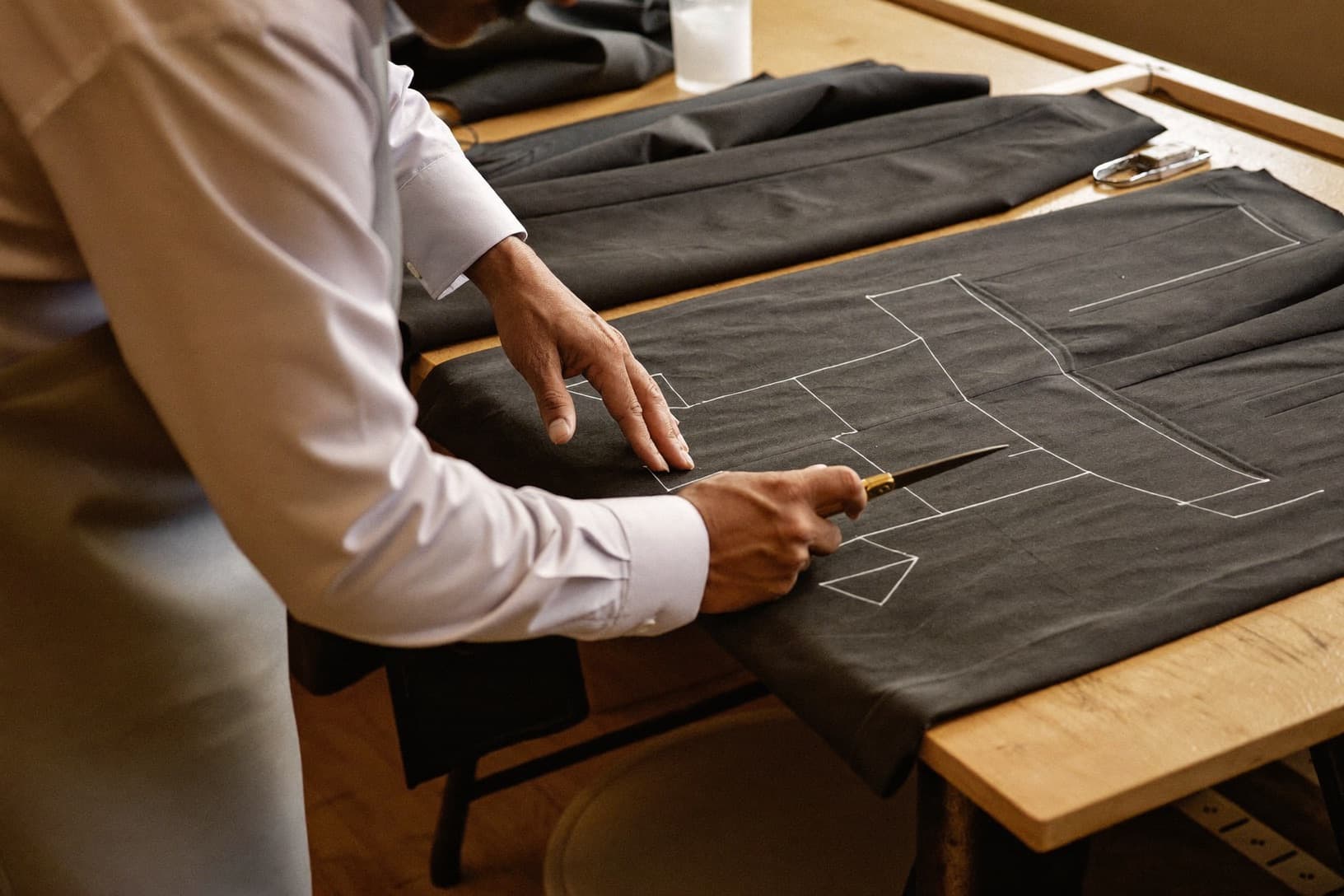
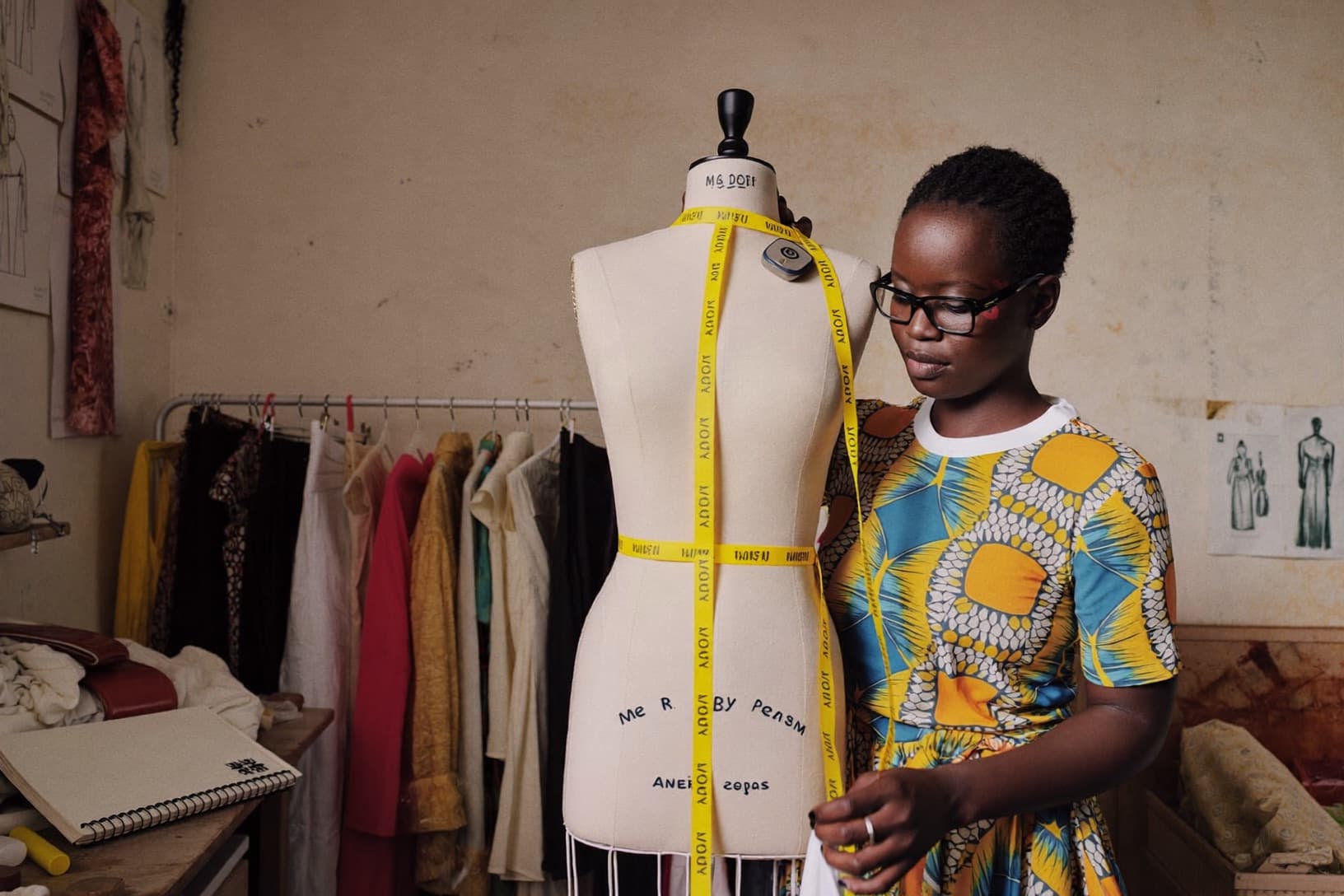
Pattern Language is a slower kind of show, built around the people whose hands actually make the textiles and techniques that African fashion keeps returning to. Each episode spends time with a single craftsperson — a weaver, a dyer, a beadworker — tracing how a technique was learned, who taught them, and what it takes to keep a tradition alive when the market around it keeps changing shape. There's less industry talk here and more workshop: looms, dye vats, the specific vocabulary of a craft passed down rather than taught in school.
A recent episode spent an afternoon with master aso-oke weaver Tunde Fashina in Iseyin, following a single strip of cloth from warp to finished wrapper and the arithmetic of how many hours a genuinely handwoven piece requires. An earlier episode traveled to a family-run indigo dye house outside Kano to document a resist-dyeing method that has survived, largely unchanged, across four generations of the same family.
Pattern Language releases monthly, timed to when travel and access allow — some episodes take months to arrange. It's the show to put on when you want fashion coverage that moves at the pace of the craft itself.