Business
Leather is Africa’s most underpriced luxury export
by Zanele Dube
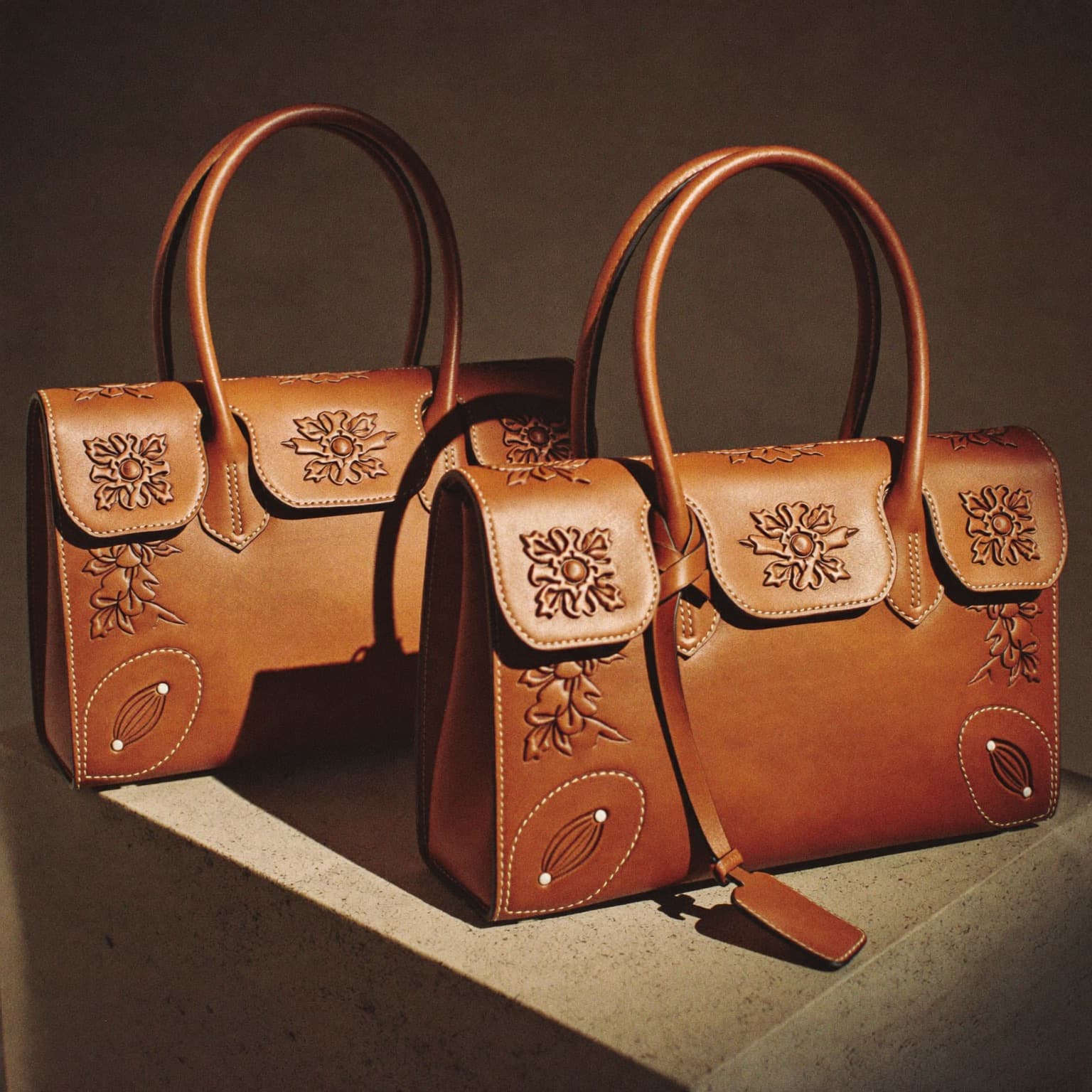
A finished hide of full-grain Ethiopian sheepskin leaves the tanning floor at Modjo Leather City for roughly $6.50 a square foot. The same leather, cut and stitched into a handbag by a European maison, retails for upward of $2,000 an ocean away.
That gap is the story of where value gets captured in the global leather trade, and it has left Africa's tanneries — among the highest-graded suppliers of sheep and goat leather in the world — sitting near the bottom of a chain they largely produce for. Ethiopia alone exports more than 20,000 tonnes of finished and semi-finished leather a year, much of it destined for Italian and French ateliers that do the design, cutting and branding that account for most of a bag's final price. Local finishing houses, by contrast, are typically paid for the hide alone, with almost none of the margin that comes from turning it into a labeled product.
"We are graded against Italian tanneries on quality and we pass. We just don't get priced like them," said Selamawit Bekele, export manager at a mid-size tannery inside the Modjo industrial park. "A buyer in Milan will pay us $6 a foot and sell a finished bag for the price of a small car. We're trying to keep more of that value here, but it means becoming a brand, not just a supplier."
That shift is underway in pockets: a handful of tanneries in Ethiopia and Kenya have begun launching their own finished-goods lines rather than exporting raw hides, and traceability certification — increasingly demanded by European buyers — is giving well-run tanneries leverage to negotiate direct contracts that cut out middlemen. It is slow, capital-intensive work, but it is the clearest path anyone in the industry has found toward closing a pricing gap that has persisted for decades.