Culture
How to wear agbada without drowning in it
by Sefi Bello
The agbada is built to make a big man look bigger, which is exactly the problem for anyone under six feet or under 80 kilograms — the volume that reads as commanding on one frame reads as costume on another. The fix isn't a smaller robe. It's a different set of choices underneath it.
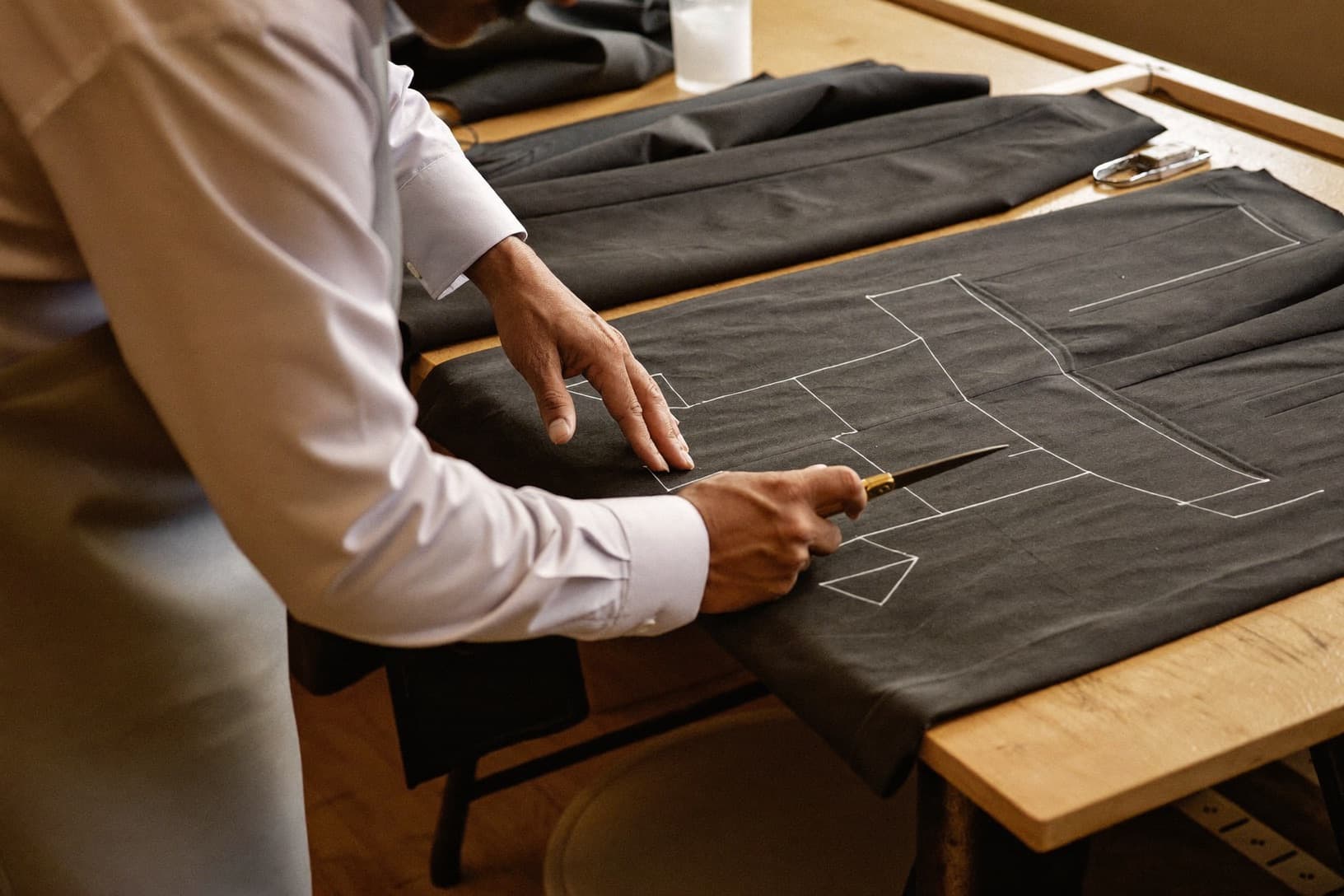
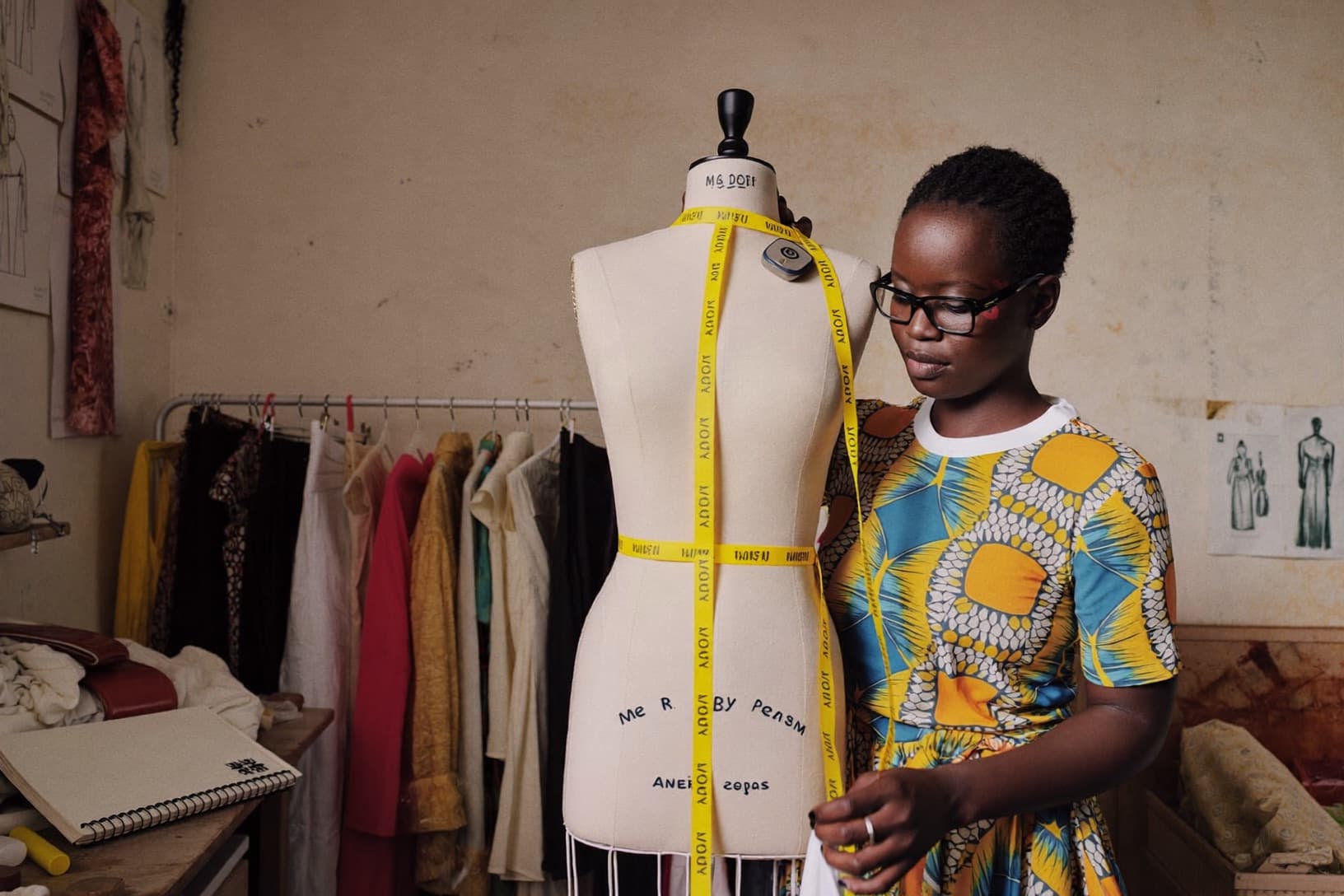
Start with weight, not size. A heavy brocade or embroidered damask holds its shape and stands away from the body, which adds bulk exactly where a smaller frame doesn't need it. A lighter aso oke or a fine cotton-linen blend drapes closer and moves with the shoulders instead of squaring them off. Underneath, the buba and soro should be tapered rather than boxy — most Lagos tailors will now cut the sokoto trouser slim through the leg by default, but ask specifically for a fitted buba sleeve, since the standard cut is roomy enough to double the appearance of an already voluminous outer layer.
"The mistake I see most is men buying the agbada a size up because it feels more traditional that way," said Lagos-based stylist and tailor Biodun Fashina, who has dressed clients for two of the city's biggest owambes this year. "I tell them the opposite. Get the shoulder seam right, shorten the sleeve by an inch so the hand shows, and let the outer robe be the only loose thing you're wearing. Everything under it should fit like a second skin."
Two more adjustments do the rest of the work: skip the oversized fila cap in favor of a smaller, close-fitting one, since a wide cap widens the whole silhouette from the top down, and choose a structured loafer or sandal over anything bulky, so the eye has something narrow to land on at the ankle. Rolled sleeves, a visible wristwatch, and a slightly shorter hem than tradition dictates are the small liberties stylists say make an agbada look worn rather than borrowed.