Culture
Gen Z is dressing for the archive, not the feed
Young stylists are trading fast trends for pieces built to be photographed in thirty years.
by Sefi Bello
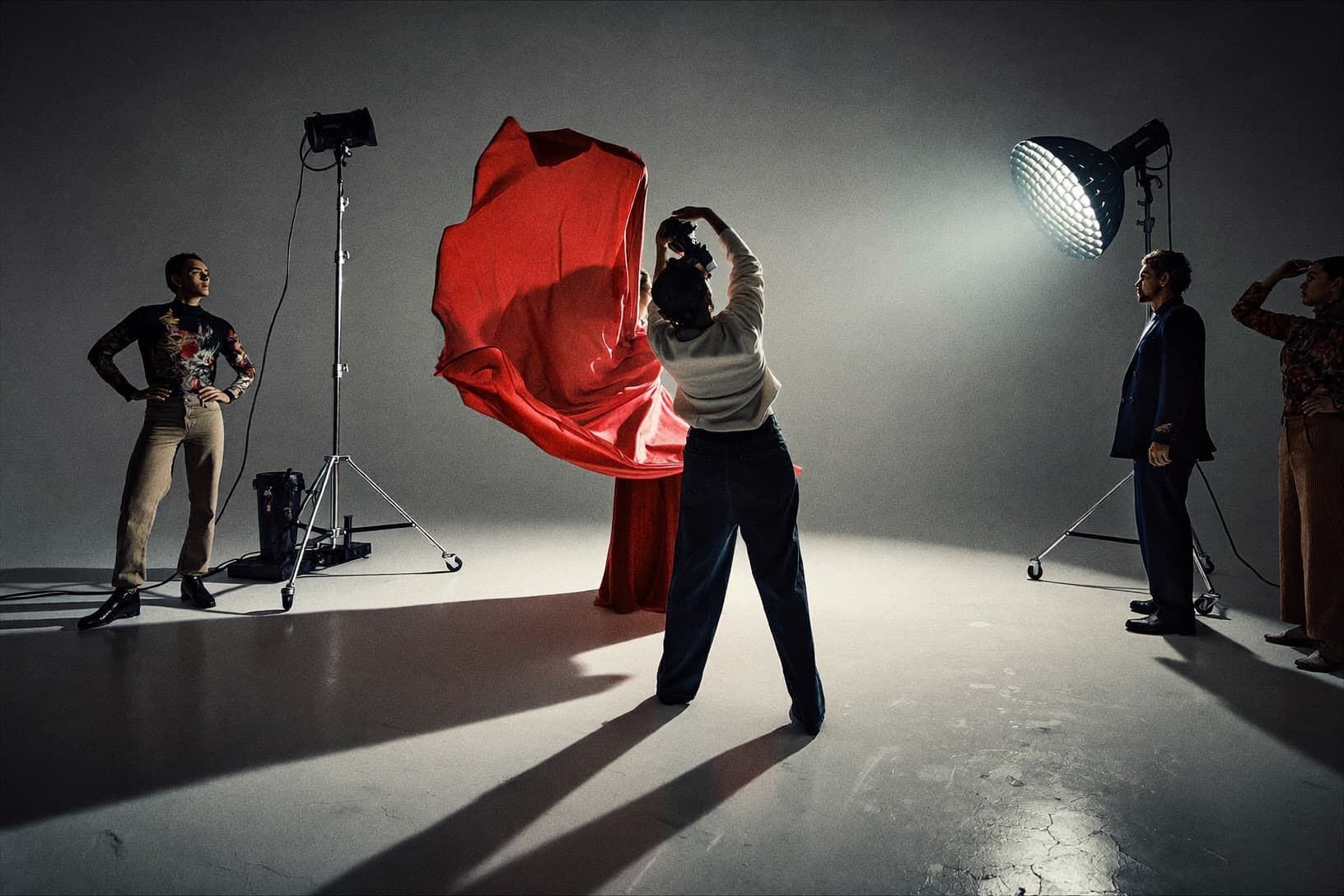
A growing number of young African fashion consumers are shopping less for the next outfit post and more for pieces they expect to still be wearing, or reselling, in twenty years — a shift stylists are calling archival buying.
The behavior marks a break from the trend-cycle spending that defined the first wave of Gen Z fashion consumption, in which a single viral look might be worn once for content and discarded within a season. Instead, buyers in their late teens and early twenties are increasingly researching a designer's runway history before a purchase, tracking limited runs, and paying a premium for pieces with documented provenance — a receipt, a show program, a tag from a specific collection. Resale platforms serving the region report that listings citing a designer's early or debut collection now command roughly double the price of later, larger-run pieces from the same label, and that turnaround time on those listings has fallen from weeks to days.
"They're not asking me if it's trending. They're asking me if it will still mean something in 2040," said Naledi Mokoena, a Johannesburg-based stylist who works with several young collectors. "I had a nineteen-year-old client turn down a logo piece from this season to buy a jacket from Thebe Magugu's 2019 collection instead, secondhand, for more money. That would not have happened three years ago. Now half my job is explaining provenance instead of just styling an outfit."
The shift is already reshaping how some designers plan releases, with a handful of Lagos and Johannesburg labels now producing smaller, numbered runs explicitly framed as future archive pieces rather than seasonal drops, complete with certificates of authenticity. Whether the habit holds once this cohort has less disposable income, stylists say, is the open question — but for now, the resale data backs them up, and at least two Nairobi boutiques have added dedicated archive sections to their floor plans in response.