Culture
Gele, decoded: a stylist’s guide to the modern headwrap
by Nadia Mensah
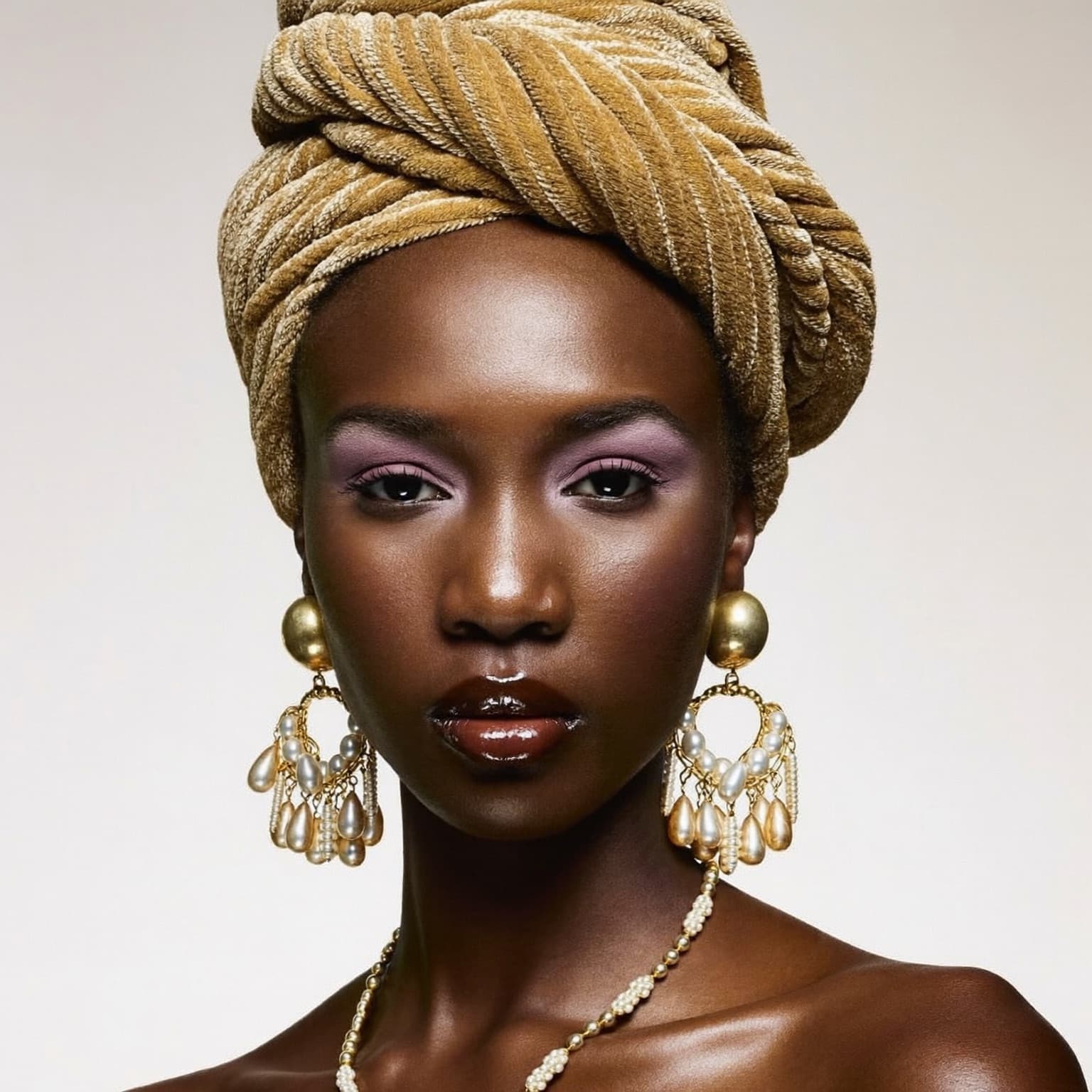
The gele has quietly split into two garments over the past few years — the towering, stiff-fanned style still worn for the most formal owambes, and a softer, smaller version that's shown up everywhere from office parties to street style shoots. Both are still called gele. They're styled almost nothing alike.
Fabric is where the split starts. The traditional structured gele relies on sinamay or a stiffened aso oke that holds a sharp, architectural fan shape and can take twenty minutes and a fair amount of pinning to tie correctly. The newer generation favors softer materials — a lightweight aso oke, jersey, or even silk-cotton blends — that drape rather than stand, and increasingly comes pre-tied and structured on the inside, so it can be lifted on and off like a hat rather than wrapped fresh each time.
"Ten years ago there was really one gele silhouette people wore to everything — big, symmetrical, very upright," said Lagos stylist Chidinma Okoro, who now offers three pre-tied styles alongside the classic fan. "Now I have clients asking for an off-center twist, or something closer to a turban with just one fold showing. It's the same fabric and the same technique underneath, just a completely different attitude."
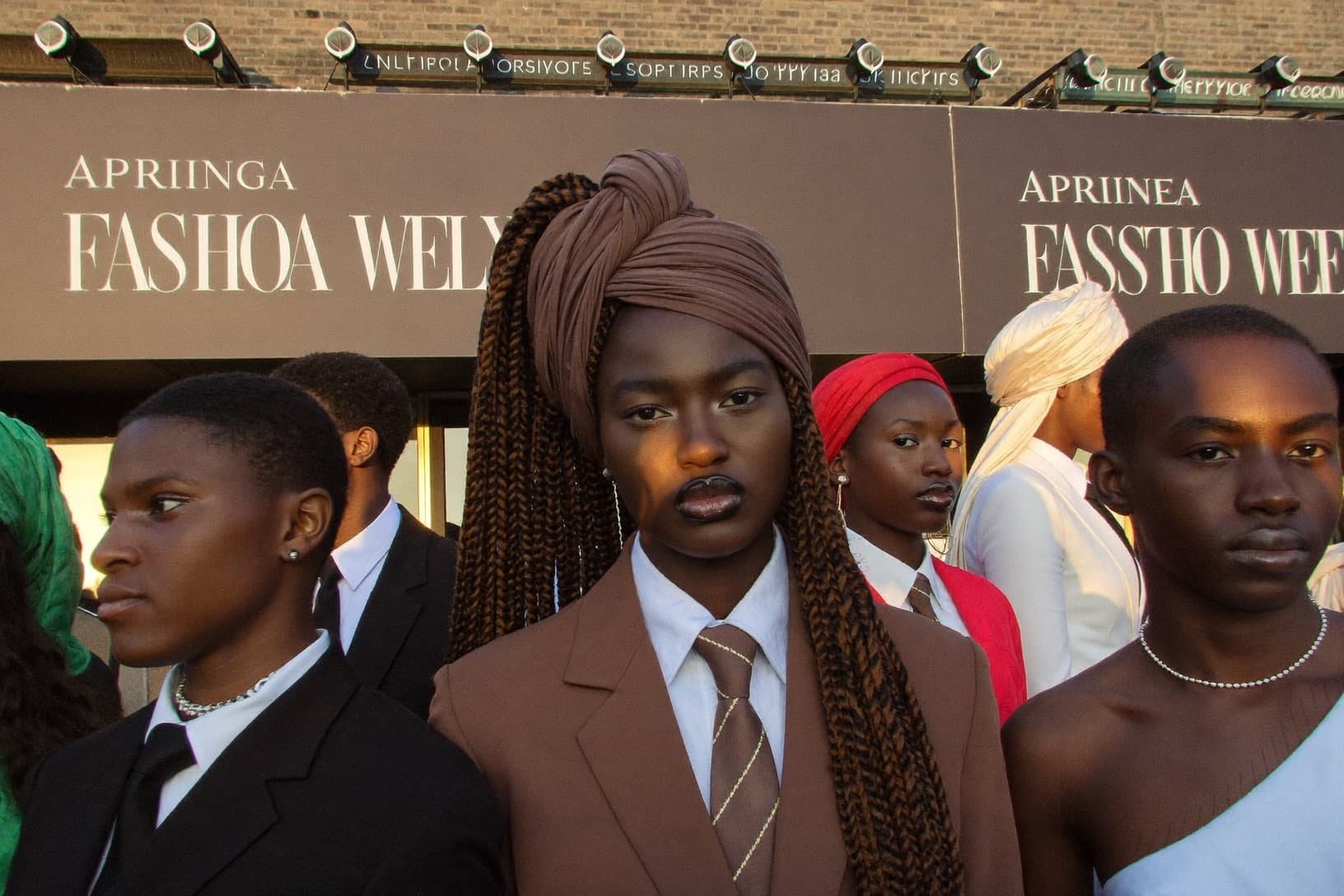
Younger women are also breaking the old pairing rules, wearing a structured gele with a plain fitted dress instead of a matching iro and buba, or a soft, low-tied wrap with jeans and a blazer. Stylists say the shift tracks a broader change in how gele gets worn day to day — less as a formal-occasion uniform, more as a single statement piece that has to work with whatever else is already in the closet.