Business
Cotton prices are falling. African mills aren’t celebrating.
by Yusuf Diallo
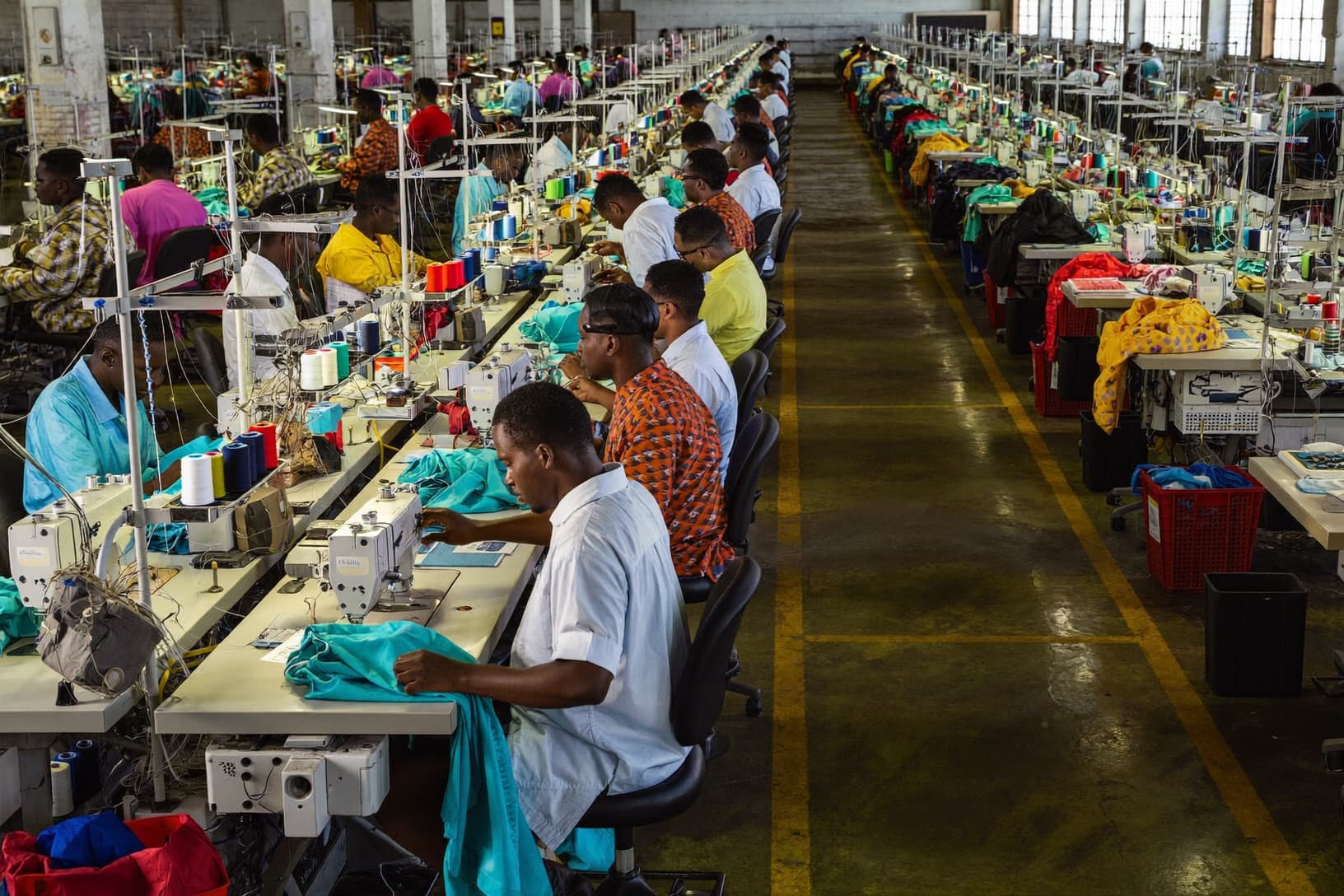
Global cotton prices have dropped 18 percent since March, but at spinning mills across West Africa's cotton belt, the news has landed as a problem rather than relief.
The mismatch comes down to timing. Most mills in Côte d'Ivoire and Mali lock in raw cotton through forward contracts six to nine months out, and this year's batch was signed in January and February, when the Cotlook A Index was still trading near 92 cents a pound. Spot prices have since slid to around 76 cents, meaning mills are paying roughly 20 percent above the current market for cotton they won't finish processing until late this year. Currency has compounded the squeeze: the CFA franc has softened against the dollar since the contracts were signed, adding another two to three points of cost on top of an already unfavorable hedge. Downstream apparel buyers, meanwhile, have started demanding lower yarn and fabric prices immediately, pointing to the same headline numbers driving the mills' losses.
"Everyone outside this building thinks we're getting cheaper cotton right now. We're not," said Ibrahim Coulibaly, plant manager at a mid-size spinning mill outside Bouaké. "We're finishing contracts we signed before the price dropped, and our buyers want new-price invoices for old-price cotton. That gap comes straight out of our margin."
Industry groups expect the pressure to ease only once mills begin signing fresh contracts against the lower benchmark, likely in the fourth quarter. Until then, several mill owners say they are absorbing losses rather than passing them to buyers, betting that holding client relationships through a rough quarter is cheaper than losing them to importers offering spot-priced yarn from South Asia.