

Culture
Can African Fashion Brands Become the Reference?
Rachel Ojuromi interpreted Chanel through clothes she and her collaborators could find. Wisdom Kaye drew on Rick Owens and Hedi Slimane to stage a runway show of his own. What would make consumers approach African brands’ collections with the same curiosity?
by Amara Okafor
A fashion collection can influence what someone wears without that person ever buying a garment from it.
A combination of colours catches their attention. A jacket changes the proportions of an outfit. A collection makes them reconsider how they might wear something already in their wardrobe. They begin searching for similar pieces, visiting thrift stores or asking a tailor to help recreate an effect.
The original look may remain out of reach, but the idea travels. The person takes what interests them and makes it their own.
For a fashion brand, this raises a question beyond whether its collections attract attention: Can its work become a reference people return to when deciding how to dress?
For African fashion, the question is particularly interesting. What would it take for local brands to become not only labels consumers recognise or garments they aspire to own, but sources of ideas that shape how they put clothes together?
Finding the feeling of a collection
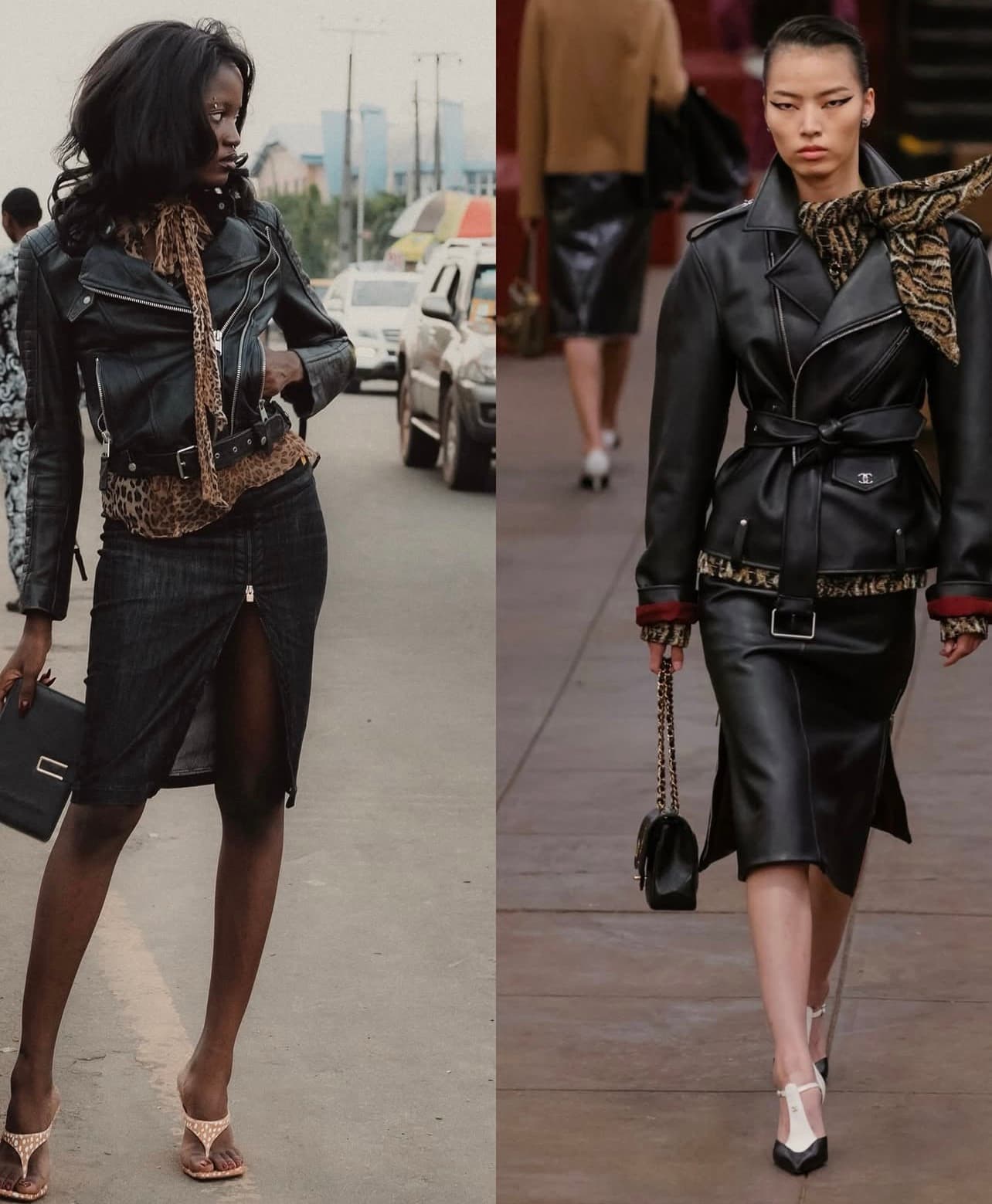
When Rachel Ojuromi and her collaborators reinterpreted Chanel’s Métiers d’Art collection in Lagos, they worked with thrifted pieces and clothes they already owned. Stylist Debby Fasingha and photographer Odey Ikpä helped shape the project. In her interview with Models.com, Ojuromi described the question behind their approach: “How do we preserve the feeling?”
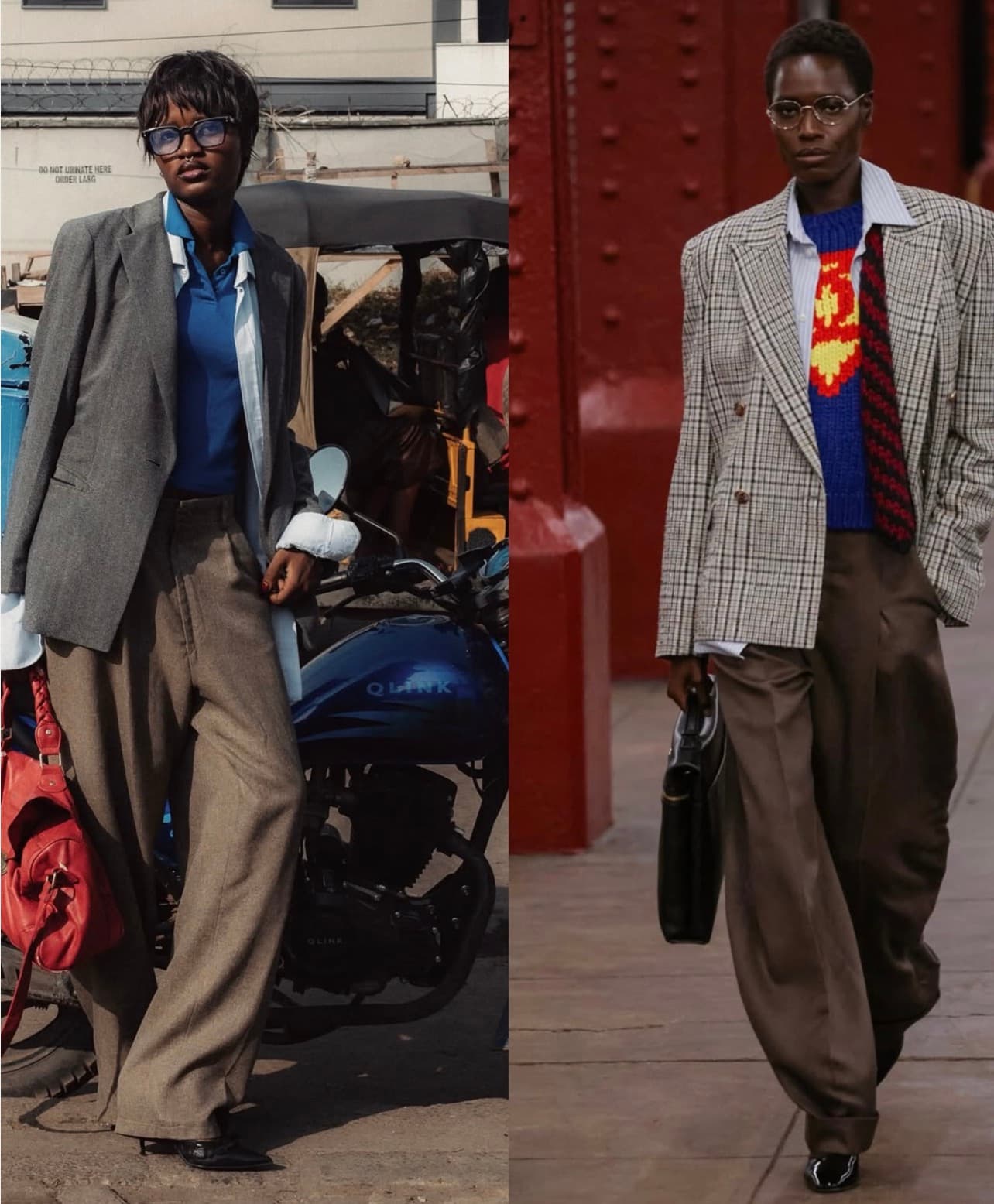
The question shifted the focus from reproducing individual garments to understanding what made the collection distinctive. Its effect lay not only in the clothes themselves, but in their combinations, proportions and overall mood.
Ojuromi and her collaborators had to find their own means of expressing what interested them. The clothes they could source, their styling decisions and the surroundings of Lagos became part of the result. Chanel supplied the reference; their interpretation gave the project its own character.
The same process happens in everyday dressing. Someone might respond to a collection’s layering, its use of colour or the contrast between structured and fluid pieces. Rather than reproduce a complete look, they identify what appeals to them and work out how to achieve a similar effect with what they have.
The collection becomes useful because it offers an idea to explore, not simply a product to desire.
Working with a reference
Wisdom Kaye’s self-produced runway video offers another example. In 2020, he filmed a show in a gym parking lot near his home, dividing it into three sections: one inspired by Rick Owens, another by Hedi Slimane and a third featuring his own looks. He told Vogue that he developed the project as a creative exercise before adapting it for TikTok.
Kaye’s audience has also played a role in his fashion content, with followers suggesting styling challenges that he interprets through his own visual language. His work shows how a reference can become a creative prompt rather than a template to reproduce. The original idea provides a starting point; the choices about clothing, proportions and presentation determine what emerges..
These projects make the act of interpretation visible. A flag supplies colours; a typeface suggests a personality; a designer’s work offers a visual language. Kaye turns those prompts into decisions about clothing, proportions and accessories.
The audience is not simply looking at finished outfits. It can follow the transformation of an idea into something wearable, then imagine its own alternatives.
An African fashion collection could offer similar possibilities. Its appeal might lie in a distinctive silhouette, an unexpected pairing of fabrics or a particular approach to colour. A consumer could borrow one element, combine it with pieces from elsewhere or adapt it to a different setting.
But for a brand to become the starting point, its work must give people something they want to examine, interpret and revisit.
Where do African brands enter the picture?
There are documented examples of consumers attempting to recreate African designers’ work. In November 2022, Legit.ng reported on a customer who asked a tailor to recreate an Xtrabrides Lagos dress and shared the result alongside the original. A January 2023 report covered a woman’s recreation of a TUBO design.
These are individual examples, not evidence of how common the behaviour is. They show that specific African-designed garments can prompt consumers to seek their own versions. Whether consumers also draw on African collections more broadly—to inform their styling, colour choices or combinations of clothes—is a separate question.
Diana Opoti’s 100 Days of African Fashion, launched in 2014, offers another perspective. She wore African labels as part of her daily wardrobe and shared the outfits with her audience. Speaking to African Prints in Fashion, she explained that she wanted to make the brands feel accessible through everyday settings. Her choices reflected her schedule and mood, from casual weekends to dressier working days.
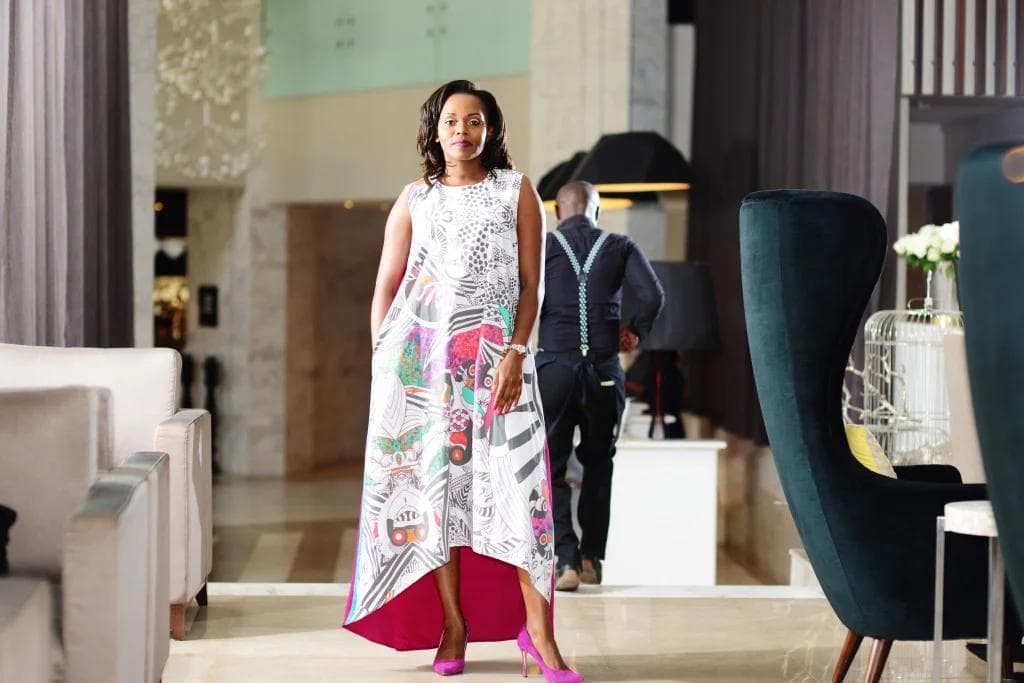
By placing African labels in everyday settings, Opoti sought to make the clothes easier for consumers to relate to beyond runway presentations and editorial lookbooks. But the campaign had a commercial purpose, too. She wanted to understand which looks and price points interested consumers, encourage inquiries and help turn attention into potential purchases.
That makes 100 Days of African Fashion particularly relevant to this question. It brought African designer fashion into the daily act of getting dressed while creating opportunities for audiences to discover the brands behind the clothes. It does not establish how often viewers subsequently adopted those brands as styling references, but it shows an intentional effort to connect visibility, accessibility and consumer interest.
That connection matters. Consumers do not encounter fashion only when they are ready to shop. They also encounter it while developing their taste, experimenting with combinations and deciding what feels like them.
The opportunity for African brands is to occupy a more consistent place in that process: not only as labels people recognise, but as sources of ideas they want to return to.
Influence beyond the purchase
A collection does not need to be copied to influence how someone dresses. A consumer might respond to the relationship between garments: the way a loose shirt balances a narrow skirt, how a soft fabric falls beneath a structured jacket or how one colour connects otherwise contrasting pieces.
Once that relationship becomes visible, it can be adapted. Someone might prefer less volume, choose lighter fabric for the weather or wear different shoes for a long commute. Their budget, surroundings and personal taste shape the result.
The final outfit may look nothing like the original. Yet the collection has contributed something to the way that person dresses.
For a brand, this suggests a form of influence that cannot be measured by the original garment alone. Its work may become a reference point in someone’s wardrobe decisions, even when the consumer buys a different product or uses clothes they already own.
That influence should not be confused with commercial success. Someone may admire a brand but be unable to afford it. Another may buy a single piece, while a third may find an alternative that achieves a similar effect. Cultural relevance, consumer interest and sales are connected, but they are not interchangeable.
Nor does every collection automatically invite interpretation. The work must offer something distinctive enough to notice and coherent enough for people to understand what interests them. Presentation, styling and imagery can help communicate those ideas, but the collection itself must give people something worth engaging with.
Becoming a reference is therefore not a substitute for building a viable fashion business. It is one way a brand’s creative work can acquire meaning beyond the transaction.
Becoming the starting point
Rachel Ojuromi and Wisdom Kaye show how a reference can become the beginning of a creative process. They take something that already exists, identify what interests them and produce an interpretation shaped by their own choices.
For African fashion brands, the opportunity is not simply to have their garments recreated. It is to create work that gives people ideas worth returning to—and to build ways for those ideas to travel into how people see, combine and wear clothes.
That requires more than visibility. It requires a recognisable point of view and collections that offer something beyond a single look to admire. It also requires understanding that the person engaging with a collection may not be ready to buy it, even if the work has influenced their taste.
The question is not only whether consumers want African fashion. It is whether African fashion can become part of how they imagine getting dressed.
A fashion brand becomes a reference when its work gives people more than a look to admire. It gives them an idea they can make their own.