

Business
Beyond The Booth: What Happens After Fashion Week Visibility
Free exhibition space at GTCO Fashion Weekend gave the online fashion brand an opportunity to meet Lagos customers without opening a shop. The experience also exposed the decisions required to serve them.
by Tobenna Chukwuma
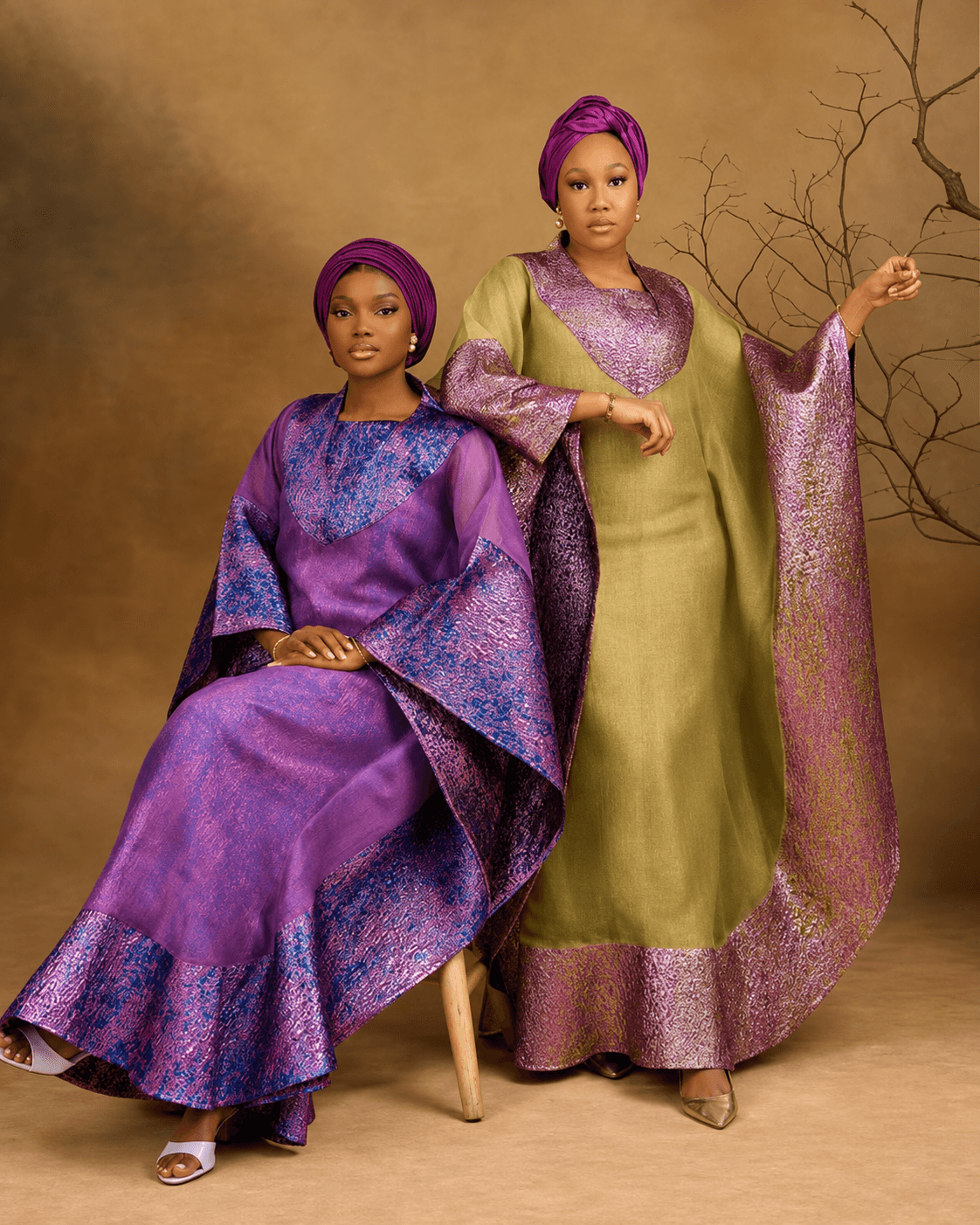
For independent fashion labels, Fashion Week is often presented as a visibility opportunity. For a growing business entering a new market, however, the more important question is what that visibility can actually produce.
For BintaBadmus, the question was particularly immediate. She had built her fashion business online while she was still a student, growing a customer base largely through social media. During her National Youth Service year in Abuja, she moved into a physical space, primarily for production, while continuing to sell dresses, scarves and other pieces online.
Then came Lagos.
After completing her master’s degree at the University of Liverpool, she moved to Lagos, entering a new market for the business. The brand already had Lagos customers. What it did not have was a physical presence in the city or, more importantly, the financial capacity to build one.
“There was no money left for that”
After paying Lagos rent and settling into a new city, there was little room for a store opening, an influencer campaign or a major marketing push. The remaining capital had to go towards stock, production and keeping the business running. Then a friend sent her information about the 2024 edition of GTCO Fashion Weekend.
The opportunity came with one important advantage: the exhibition space was free. For a founder watching every expense, that changed the calculation. Instead of asking whether she could afford Fashion Week, she could ask whether she could afford to test the market.
And the answer was yes.
From Visibility to Market Entry
BintaBadmus approached the event cautiously. She wasn't certain how much revenue it would generate. In fact, she went in expecting visibility to be the more realistic outcome.
That is often how physical fashion events work for digitally native brands. A customer may see a brand, interact with the product, take a flyer or follow the Instagram page without making a purchase that day.
The commercial value can come later.
Binta understood that. She kept the cost of participation as low as possible, creating content herself and bringing in friends to model the clothes, but she also made a deliberate decision about inventory.
Rather than underproducing because she wasn't sure what the response would be, she wanted enough stock for people to see that the polished dresses and imagery they had encountered online represented a real, functioning business.
The event became a physical translation of the brand's digital presence. Customers who had previously encountered BintaBadmus through Instagram could now touch the clothes, assess the fabrics, speak with the founder and interact with the team. That distinction mattered because for an online fashion business, the physical encounter can answer questions that social media cannot.
At GTCO Fashion Weekend, BintaBadmus was able to answer those questions in real time.
And then came the sales.
When the Two-Day Event Outperformed Expectations
Binta had initially viewed sales as a bonus. Instead, the two-day event generated sales exceeding what the brand would typically make in an entire month before the event, but the immediate revenue was only one part of the story.
The other was customer acquisition.
Before the event, BintaBadmus was serving a limited number of customers. In the months that followed, that customer base doubled. Importantly, the increase did not happen immediately at the event; it developed over the following months. It is easy to look at Fashion Week and measure success by what happens while the booth is open, but the more interesting metric may be what happens after it closes.
The Customer Who Didn't Buy
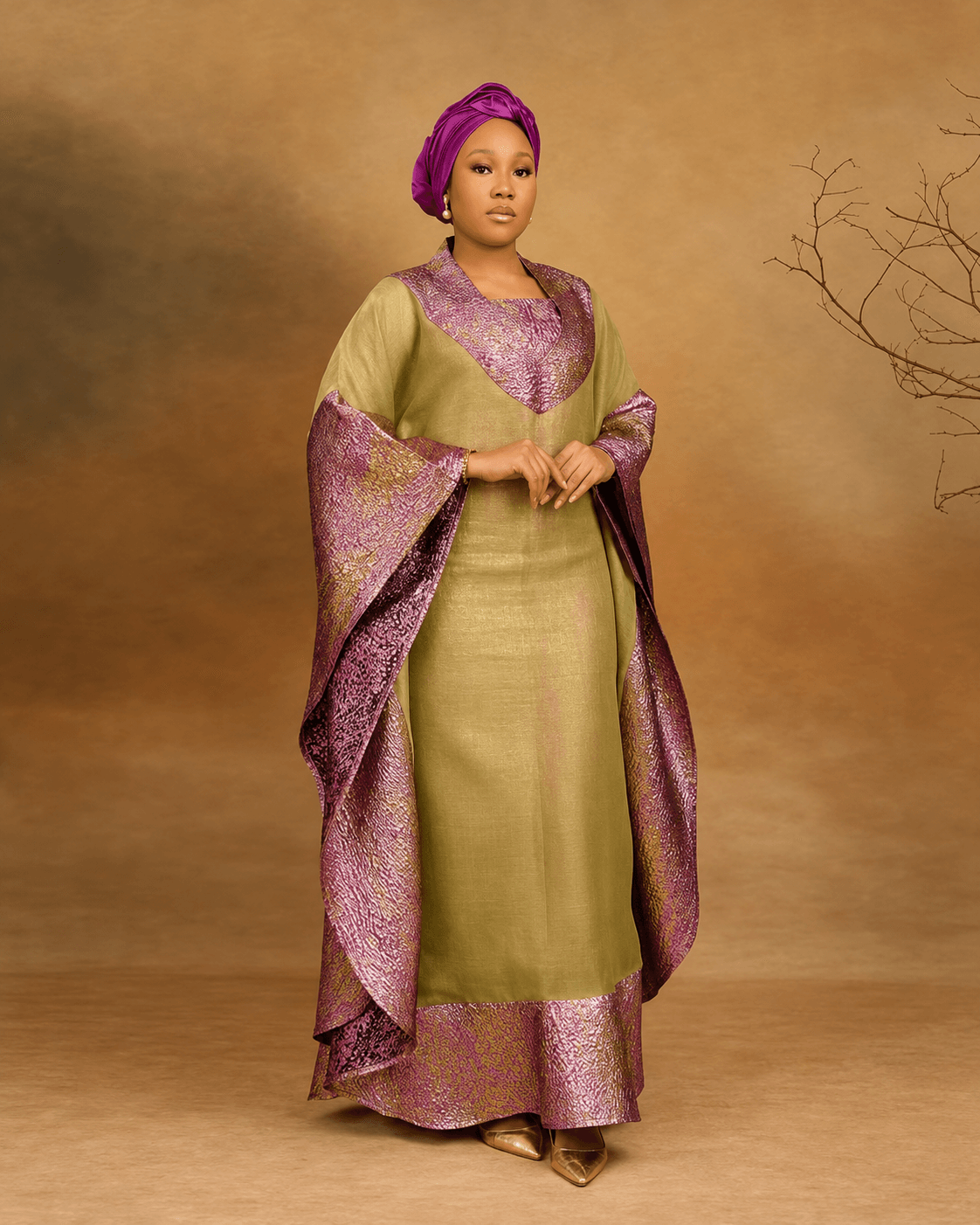
One of the clearest examples came from a woman who visited the BintaBadmus booth but left without purchasing anything. She picked up one of the brand's flyers and went home.
About two months later, she contacted the brand after visiting its Instagram page. She wanted the clothes delivered to her. That customer eventually became one of BintaBadmus's highest-paying customers — and she had never bought anything at the event itself.
It is a small story, but it captures something important about fashion events. Not every conversion happens at the booth. Some customers need time. They need to remember the brand, revisit its social pages, discuss a purchase, wait for the right occasion or simply decide that they trust the business enough to spend. The customer who walks away without buying may therefore not be a lost customer.
They may simply be an unfinished transaction. For BintaBadmus, the flyer became a bridge between a physical encounter and a later digital purchase.
The Growth After the Booth
The numbers become more interesting when viewed over a longer period. The commercial response was immediate. Across the two-day event, BintaBadmus generated approximately 25% more sales than its average monthly sales before Fashion Week. The event’s impact became more difficult to separate from other factors in the months that followed.
But the more interesting question was what happened after the booth came down. Badmus says “the brand's monthly sales subsequently settled at approximately 80% of the peak monthly level recorded before the event, while continuing to serve a growing customer base.”
The figures provide a sense of the change in scale, but she is careful not to attribute the performance entirely to the Fashion Weekend. The period that followed included some of the strongest trading periods for an occasion-wear business, including December, January, Easter and Eid.
Seasonal demand, alongside the brand's growing focus on occasion wear, contributed to the sales performance.
Finding a Different Customer
The customers Binta describes today are also revealing. She says the brand has increasingly attracted more mature women with established incomes, busy social calendars and a willingness to spend significantly on occasion wear. Some customers purchase multiple pieces for different events.
What she discovered is not just acquiring new customers, but finding the right customer profile. Entering Lagos allowed BintaBadmus to learn more about who its customer could be in a market beyond Abuja, and that knowledge has implications for everything from product development to inventory planning and pricing.
Fashion Week, in that sense, became more than a marketing channel. It became a form of market research.
The Problem With Growth
But finding new customers can create another problem: Can the business fulfil the demand? For BintaBadmus, this is now one of the more complicated parts of growth. The brand serves international customers, with particularly strong customer bases in the United States, United Kingdom, Senegal, Côte d'Ivoire and France. But sourcing and production in Africa can create limits around fabric availability and quantities.
A successful design does not automatically mean the business can produce thousands of units of it, and producing too much of the wrong thing creates another problem. A collection may contain several designs, but only one or two may become bestsellers. Producing heavily across the entire collection can leave capital sitting in unsold inventory.
Binta's response has been to build around a made-to-measure model.
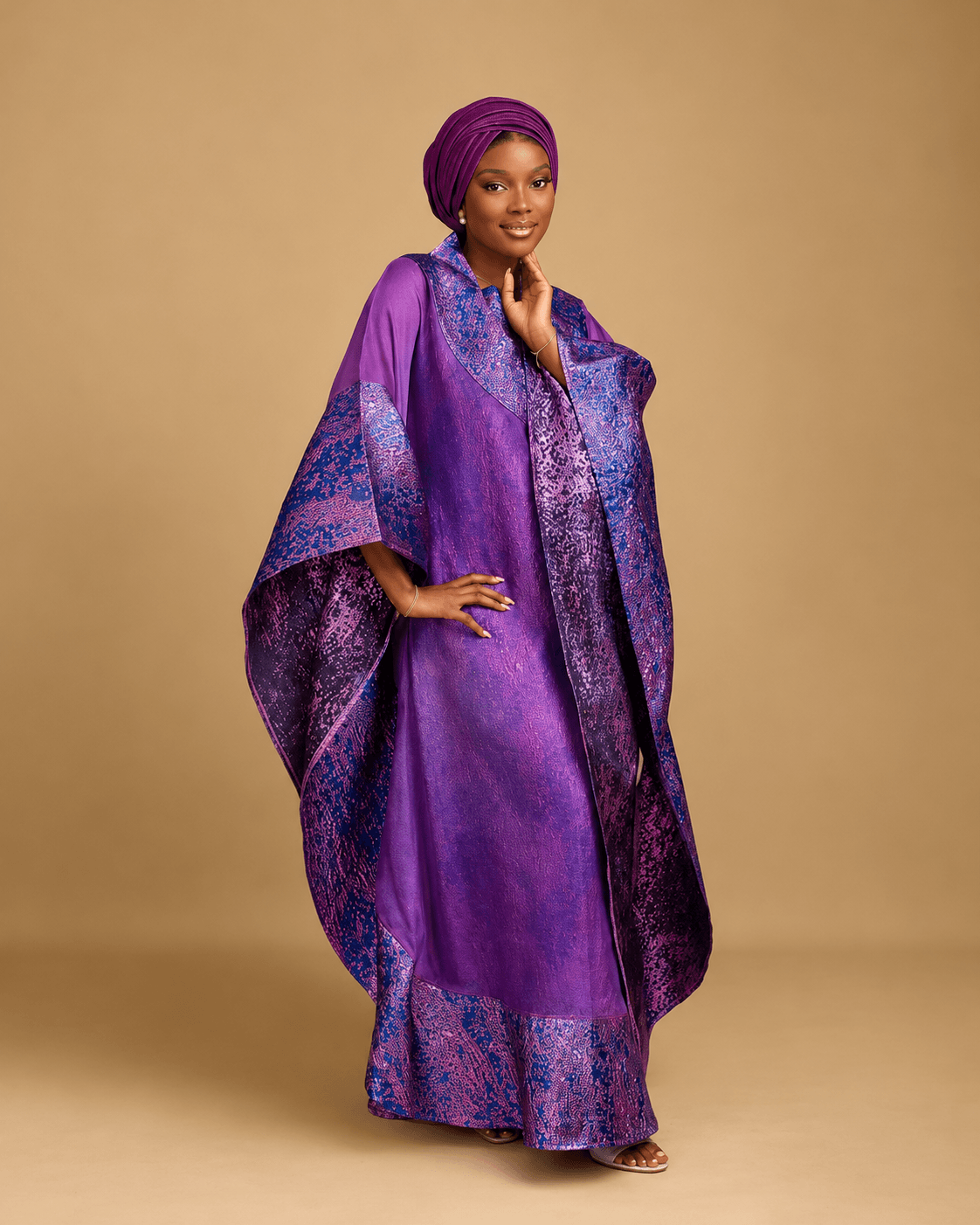
Customers choose from the brand's existing designs and the garments are produced to their measurements. It allows the business to respond to demand without simply producing large quantities in advance. It also connects to another part of the brand's philosophy: sustainability.
Rather than producing significant quantities of every design and hoping they sell, the model allows production to be more closely tied to actual customer orders.
Designing for the African Customer
There is another problem hiding underneath all of this: sizing.
After nearly a decade in business, Binta says one of the challenges she has encountered is the lack of an African-specific sizing system. Like many fashion businesses, BintaBadmus works with international size charts, including UK and US sizing. But those charts do not always reflect the proportions and body shapes of African women.
The result is a familiar problem: a customer may technically be the same size on paper but require a different fit in practice. The brand therefore allows customers to provide their measurements, helping it produce garments that fit the individual rather than relying entirely on standardised international measurements. It is a small operational decision with a much larger implication.
For African fashion brands trying to scale internationally, the challenge is not simply getting African products into international markets. It is also figuring out how to build systems that reflect the customers they are actually serving.
From Lagos to the World
Binta's ambition extends beyond Lagos. Her long-term goal is to build BintaBadmus into a global brand while remaining rooted in African craftsmanship — essentially, Africa to the world. She is not trying to design for every woman; the brand is focused on women who want modest, conservative and elegant clothing, whether that preference comes from personal, cultural, social or religious reasons.
The opportunity she sees is to take that proposition beyond Nigeria and build a global customer base around it, but getting there requires more than visibility.
It requires supply chains that can support demand, production systems that don't destroy working capital, sizing systems that understand African bodies and enough operational capacity to turn international interest into repeat business.
What Happens After the Booth?
This is ultimately what makes BintaBadmus’ Fashion Week experience interesting.
The most obvious outcome was the sales, but the more valuable outcome may have been everything those sales revealed. A new market. New customers. A different customer profile. A clearer understanding of what people wanted to buy. Even a customer who did not buy at the event but eventually became one of the brand’s highest-value customers.
More importantly, the experience provided evidence that an online fashion brand could translate its digital presence into a physical experience and build relevance in a new city.
Binta herself now describes Fashion Weekend as having played a significant role in the brand’s development. She initially questioned whether the opportunity was worth pursuing, but the experience ultimately had enough impact on the business for her to want to speak publicly about it.
That is the part of Fashion Week rarely visible from the front row: what happens when the event ends, the numbers settle, and the business starts to understand what the moment was really worth.